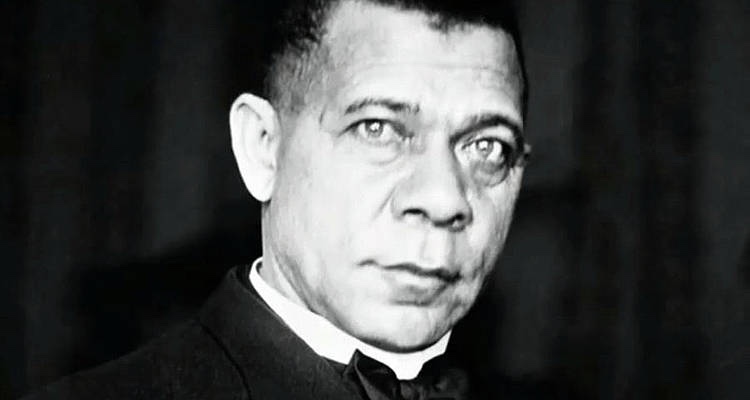
“Success is to be measured not so much by the position that one has reached in life as by the obstacles which he has overcome while trying to succeed.”
Booker T. Washington
Community Leadership

Support Your Community
Learn how to be a community leader. A community leader role is to provide essential community services and information to people in their communities.
Identifying the Flow of Wealth in Your Community
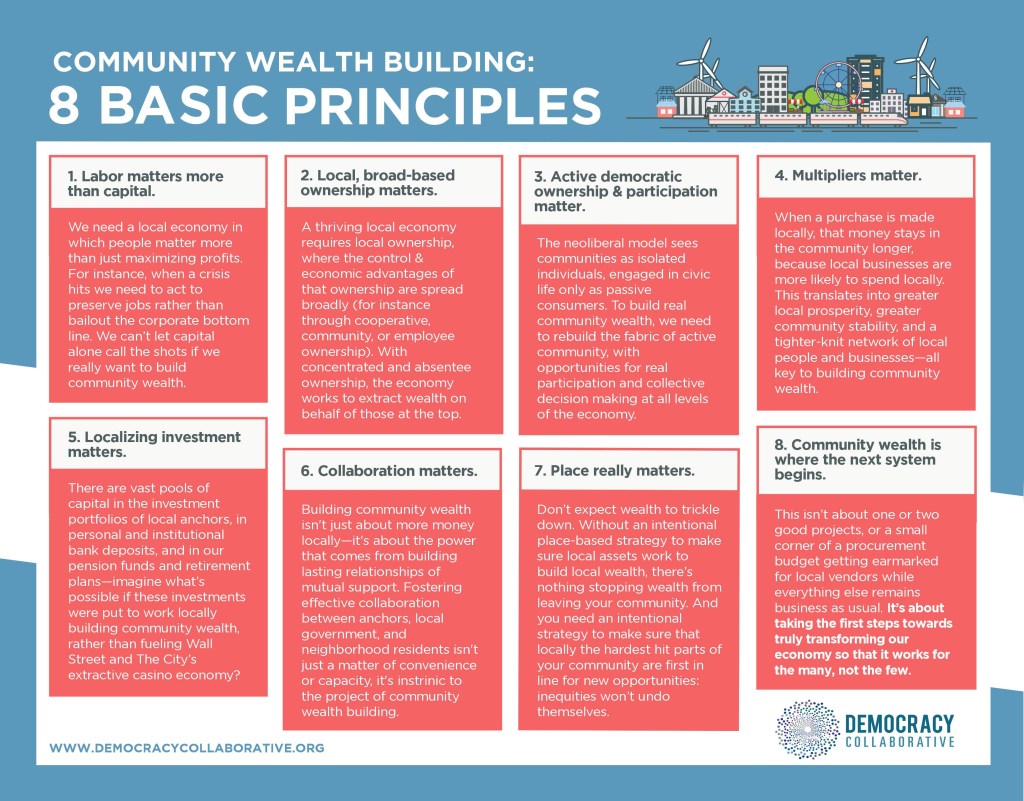
Democracycollective.org
**I DO NOT ASSOCIATE WITH EITHER PARTIES OF THE GOVERNMENT **
Cola Redd
Building Generational Wealth
Click the button for general information on generational wealth. This template purpose is to educate others in your community.
Volunteer in Your Community

We’ve had an incredible response so far, and are doing everything we can to respond to everyone who wants to volunteer in one of our community programmes.
Want to Become a Volunteer?
Helpguide.org
Volunteermatch.org
IRS.gov
Building Safer Communities.

“History has shown us that courage can be contagious, and hope can take on a life of its own.”
Michelle Obama
Cause & Effect Theory

Causality (also referred to as causation, or cause and effect) is influence by which one event, process, state, or object (a cause) contributes to the production of another event, process, state, or object (an effect) where the cause is partly responsible for the effect, and the effect is partly dependent on the cause.
NEWTON’S LAW
Americanprogress.org
Several key factors exacerbate this vicious cycle of wealth inequality. Black households, for example, have far less access to tax-advantaged forms of savings, due in part to a long history of employment discrimination and other discriminatory practices. A well-documented history of mortgage market discrimination means that blacks are significantly less likely to be homeowners than whites,3 which means they have less access to the savings and tax benefits that come with owning a home. Persistent labor market discrimination and segregation also force blacks into fewer and less advantageous employment opportunities than their white counterparts.4 Thus, African Americans have less access to stable jobs, good wages, and retirement benefits at work5— all key drivers by which American families gain access to savings. Moreover, under the current tax code, families with higher incomes receive increased tax incentives associated with both housing and retirement savings.6 Because African Americans tend to have lower incomes, they inevitably receive fewer tax benefits—even if they are homeowners or have retirement savings accounts. The bottom line is that persistent housing and labor market discrimination and segregation worsen the damaging cycle of wealth inequality.
This Little Light of Mine

Light Shines in The Dark
Harry Dixon Leos
This little light of mine,
I'm gonna let it shine.
This little light of mine,
I'm gonna let it shine.
This little light of mine,
I'm gonna let it shine,
let it shine, let it shine, oh let it shine.
Zinnedproject.org
Psychology of Instability
Reverse psychology is a technique involving the assertion of a belief or behavior that is opposite to the one desired, with the expectation that this approach will encourage the subject of the persuasion to do what is actually desired.
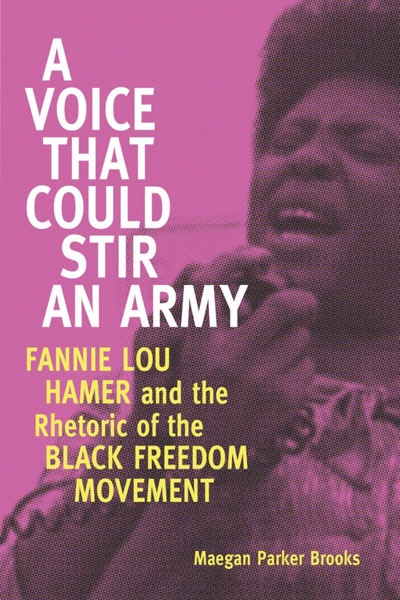
KAREN D. LINCOLN, LINDA M. CHATTERS, and ROBERT JOSEPH TAYLOR
Understanding Factors
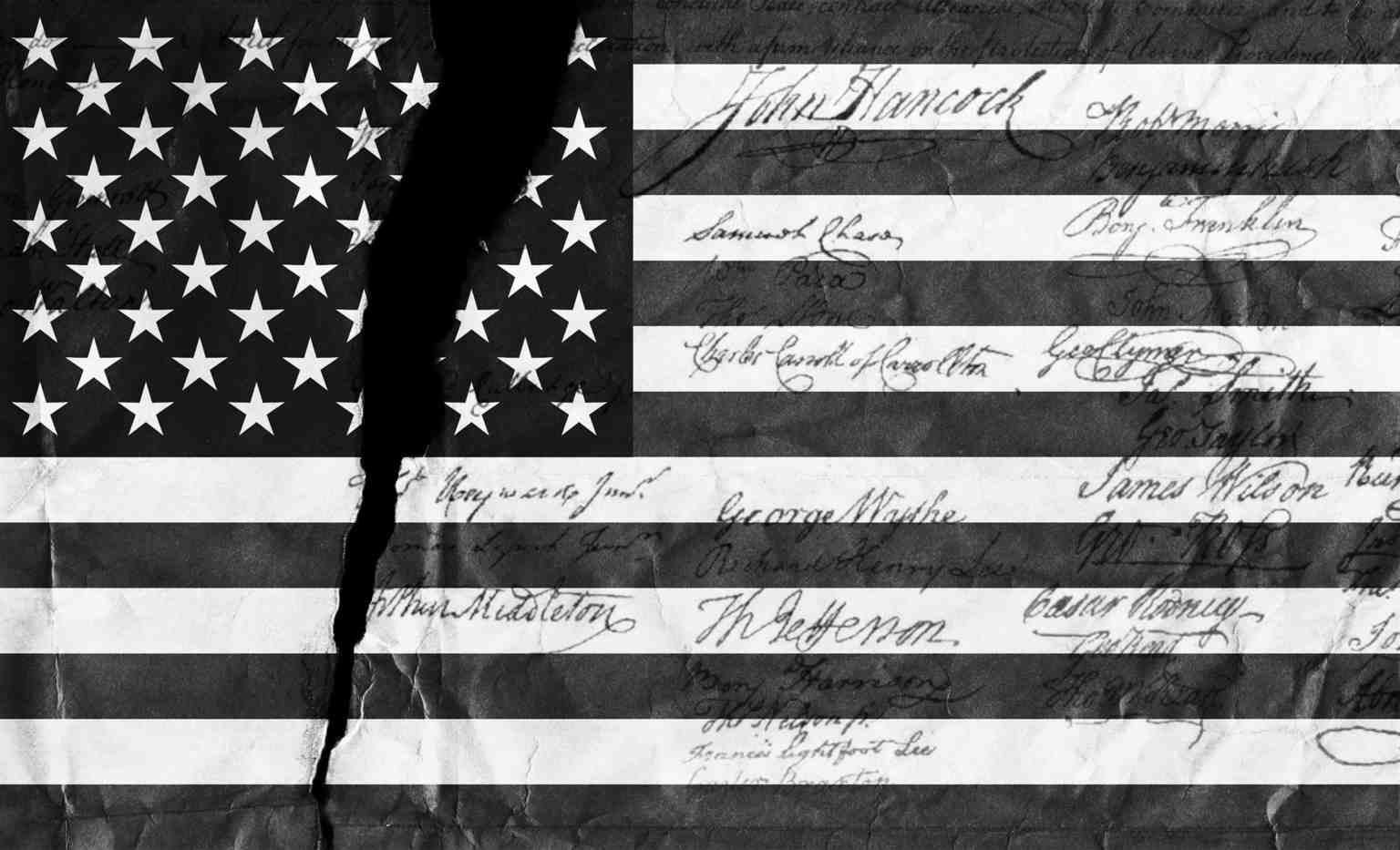
If we want to understand the state of race in America, we need to know our past — particularly the painful parts.
Jeffery Robinson, ACLU Deputy Legal Director and Director of the Trone Center for Justice and Equality
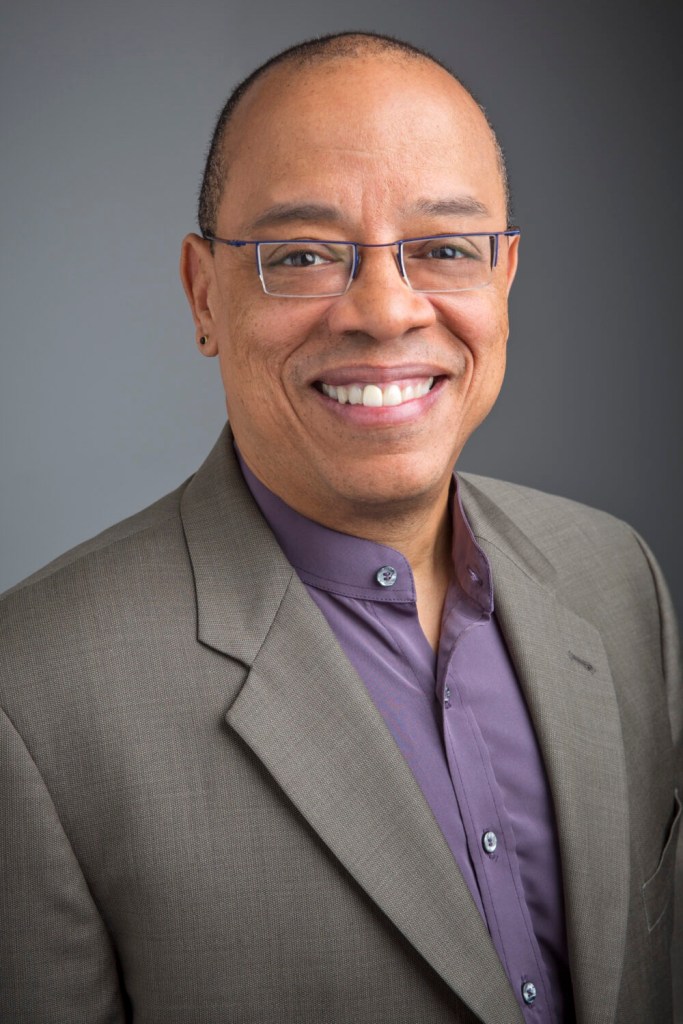
Jeffery Robinson


“The Wiser The Richer”
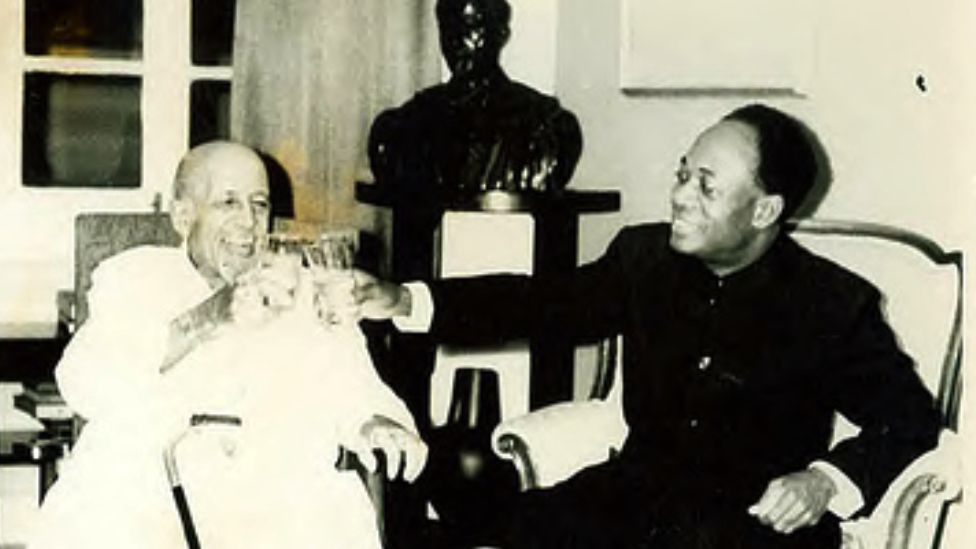
“The cost of liberty is less than the price of repression.”
W.E.B. Du Bois
We are a nonprofit organization that provides support and expertise within communities. We encourage volunteers to join us on this historic adventure.
ACLU.org
- America was founded on white supremacy
- The wording of the law regarding Christianity is revealing. The slave-masters would claim Christian piety in their acts of enslavement:
- WHEREAS some doubts have risenwhether children that are slaves by birth, and by the charity and piety of their owners made pertakers of the blessed sacrament of baptisme, should by vertue of their baptisme be made ffree… the conferring of baptisme doth not alter the condition of the person as to his bondage or ffreedome;
- Virginia didn’t have a monopoly on horrible slave laws. In 1740, South Carolina passed a comprehensive slave code with 57 provisions “so that the slave may be kept in due subjection and obedience.” Provisions included making it a crime for slaves to grow or possess their own food, gather in groups, or learn to read.
- In 1755, Georgia required all plantation owners and their white employees to serve in the state militia, which was responsible for enforcing slavery. Joseph Clay, a Savannah merchant, described the role of slavery in 1784, saying, “The Negro business is a great object with us. It is to the trade of this country as the soul is to the body, and without it no house can gain proper stability.”
- Forty of the 56 signers of the Declaration of Independence owned slaves. Under the Constitution, a slave was counted as three-fifths of a free person. Ten of the first 12 presidents owned slaves. This is who we were as the United States became a nation.
- Terrorism on blacks
- The largest terrorist attack in Oklahoma was not at the Federal Building in Oklahoma City in 1995. It was down the road in Tulsa in 1921. The Greenwood neighborhood of Tulsa, Oklahoma, was unique. In the early 20th century, it was referred to as “Black Wall Street” and was home to Black and Native Americans who had become wealthy from oil discoveries.
- Wealth, however, did not mean equality. White residents were disturbed by the growing black wealth and sought to impose official segregation measures. In 1914, Tulsa passed a law that forbade anyone from living on a block where more than three quarters of the preexisting residents were of another race. In isolation, Greenwood thrived. Its main strip boasted attorneys’ offices, auto shops, cafes, a movie theater, funeral homes, pool halls, beauty salons, grocery stores, furriers, and confectioneries.
- A war fought for slavery
- Research conducted by the Southern Poverty Law Center in 2017 shows that our schools are failing to teach the truth about African enslavement. Only 8 percent of high school seniors surveyed can identify slavery as the central cause of the Civil War. Two-thirds (68 percent) don’t know that it took a constitutional amendment to formally end slavery. Fewer than one in four students (22 percent) can correctly identify how provisions in the Constitution gave advantages to slaveholders. The truth is clear if we choose to see it.
- David Blight has written that the total value of all slaves combined, as property, in 1860 was greater than the value of every bank, factory, and railroad in the U.S. By 1860, America had 4 million slaves worth a total of $3 billion of the day’s currency. As a result, there were more millionaires in the Mississippi Valley — notably one of the poorest parts of America today than anywhere in the nation.
- Texas – “[A]ll white men are and of right ought to be entitled to equal civil and political rights; that the servitude of the African race, as existing in the states, is mutually beneficial to both bond and free and is abundantly authorized and justified by the experience of mankind and the revealed will of the Almighty Creator….”
- Mississippi – “[O]ur position is thoroughly identified with the institution of slavery-the greatest material interest of the world… A blow at slavery is a blow at commerce and civilization.”
- Louisiana –“[T]he people of the slaveholding states are bound together by the same necessity and determination to preserve African slavery.”
- Florida secessionists – “At the South, and with our People of course, slavery is the element of all value, and the destruction of that destroys all that is property.”
- Georgia – “For the last ten years we have had numerous and serious causes of complaint against our non-slave-holding confederate States with reference to the subject of African slavery. They have endeavored to weaken our security, to disturb our domestic peace and tranquility, and persistently refused to comply with their express constitutional obligations to us in reference to that property…”
- Vice President Alexander H. Stephens of the Confederacy, in his 1861 “Cornerstone speech,” was as clear as he could possibly be: “Our new government is founded upon… the great truth that the negro is not equal to the white man; that slavery subordination to the superior race is his natural and normal condition.”
- Francis Scott Key was an avowed white supremacist
- The third verse of the national anthem celebrates the murder of slaves: “No refuge could save the hireling and slave from the terror of flight or the gloom of the grave…”
- Reparations for slavery have already been paid
- On April 16, 1862, more than eight months before he issued his Emancipation Proclamation, Abraham Lincoln signed a bill ending slavery in the District of Columbia. It provided for immediate emancipation of slaves and compensation to slave owners loyal to the Union of up to $300 for each freed slave. Over the next nine months, the board of commissioners appointed to administer the act approved petitions, completely or in part, from former owners for the freedom of 2,989 former slaves. Lincoln’s administration paid about $1 million to slave owners in D.C. for the loss of property.
 Cola Redd Ent